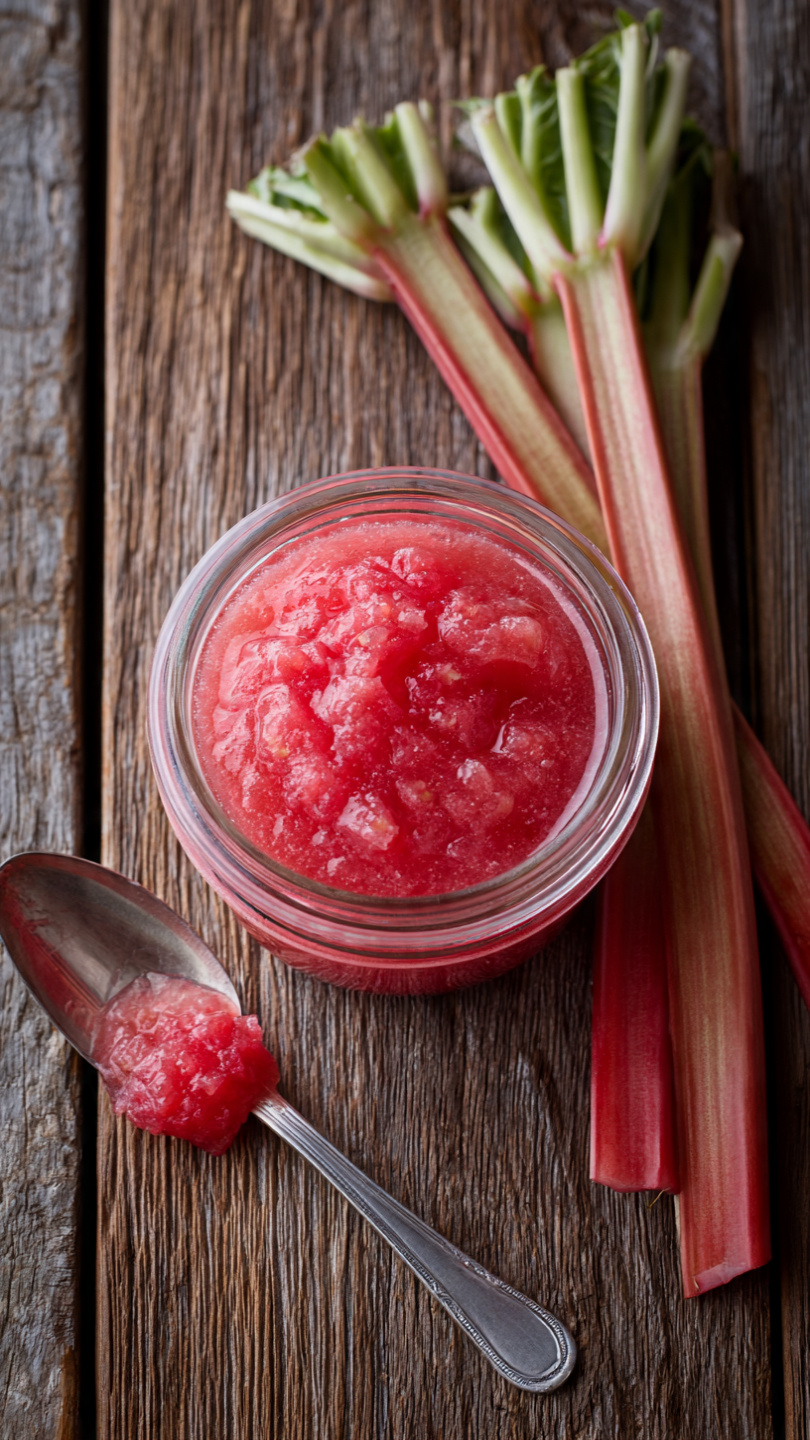
Homemade Rhubarb Jam
This bright, tangy Homemade Rhubarb Jam is made with just a handful of simple ingredients and comes together in under an hour. Spread it on toast, swirl it into yogurt, or gift a jar to someone you love.

The Bright, Tangy Jam You Will Want on Everything
There is something genuinely satisfying about turning a pile of tart rhubarb stalks into a jewel-toned jar of jam. Rhubarb season is short, fleeting even, and this recipe is one of the best ways to capture that flavor and stretch it across the whole year. The color alone, a deep rosy pink to vivid ruby red depending on your stalks, is enough to make you want to spread it on absolutely everything.
This recipe skips the boxed pectin entirely. Rhubarb is naturally loaded with pectin, and with the right ratio of sugar and a good squeeze of lemon, it sets into a luscious, spoonable jam all on its own. No fuss, no special equipment required.
Why This Recipe Works
Rhubarb jam is one of those recipes that rewards patience over complexity. The key is a low and slow simmer after the initial boil. Rushing the cooking process is the most common mistake, and it results in a thin, syrupy jam that never quite sets. Give it time, stir it often, and trust the wrinkle test.
The lemon juice does two important jobs here. First, it brightens the flavor and balances the sugar. Second, the added acidity helps activate the natural pectin in the rhubarb, encouraging a firmer set. The optional vanilla extract might sound unexpected, but it rounds out the tartness beautifully and gives the jam a warmth that keeps people guessing.
Chef's Tip: If your rhubarb stalks are very pale green rather than deep red, your jam will still taste wonderful but will have a more muted color. A small splash of beet juice or a handful of strawberries can help bring that gorgeous pink hue back without changing the flavor much at all.
A Note on Tools and Ingredients
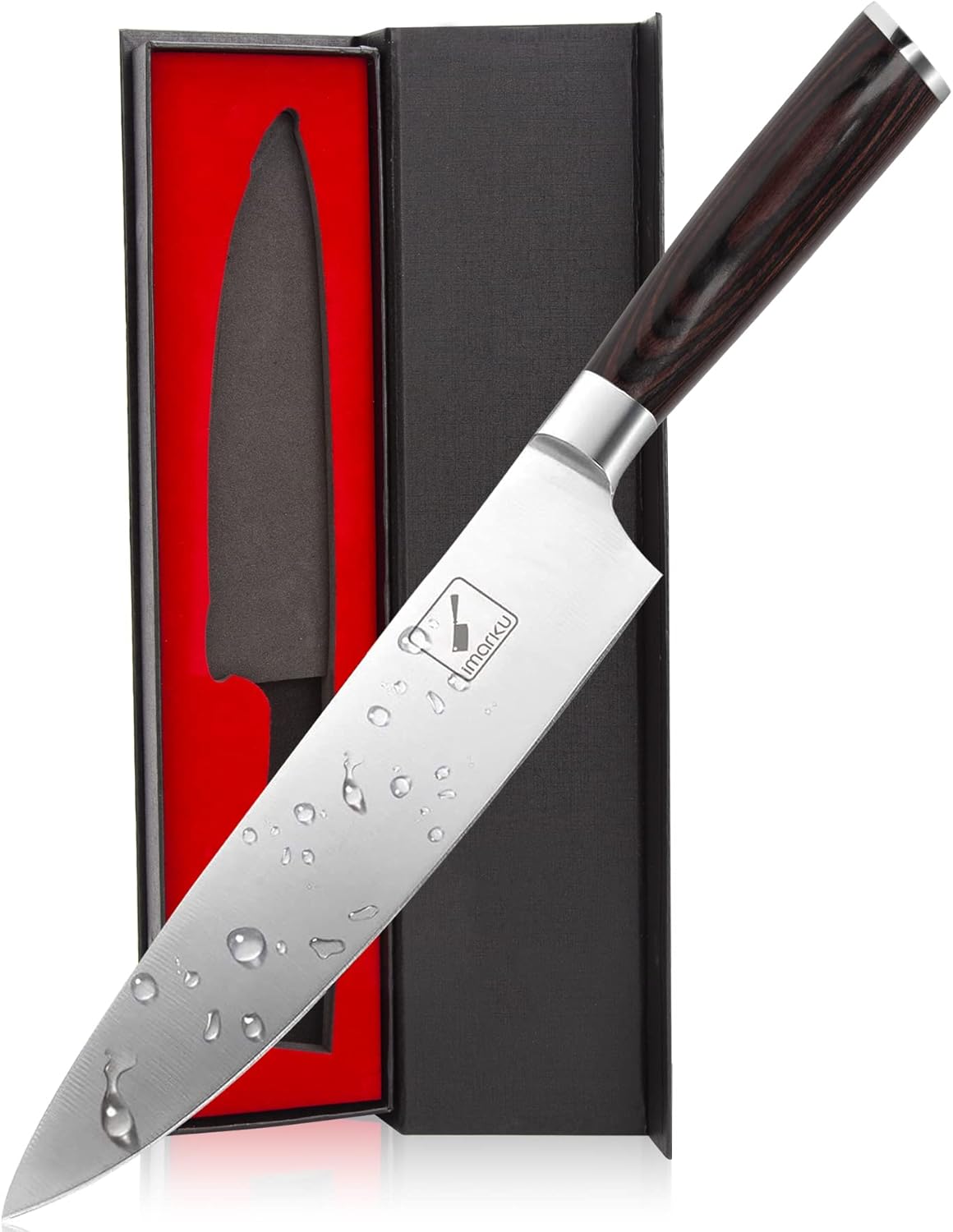
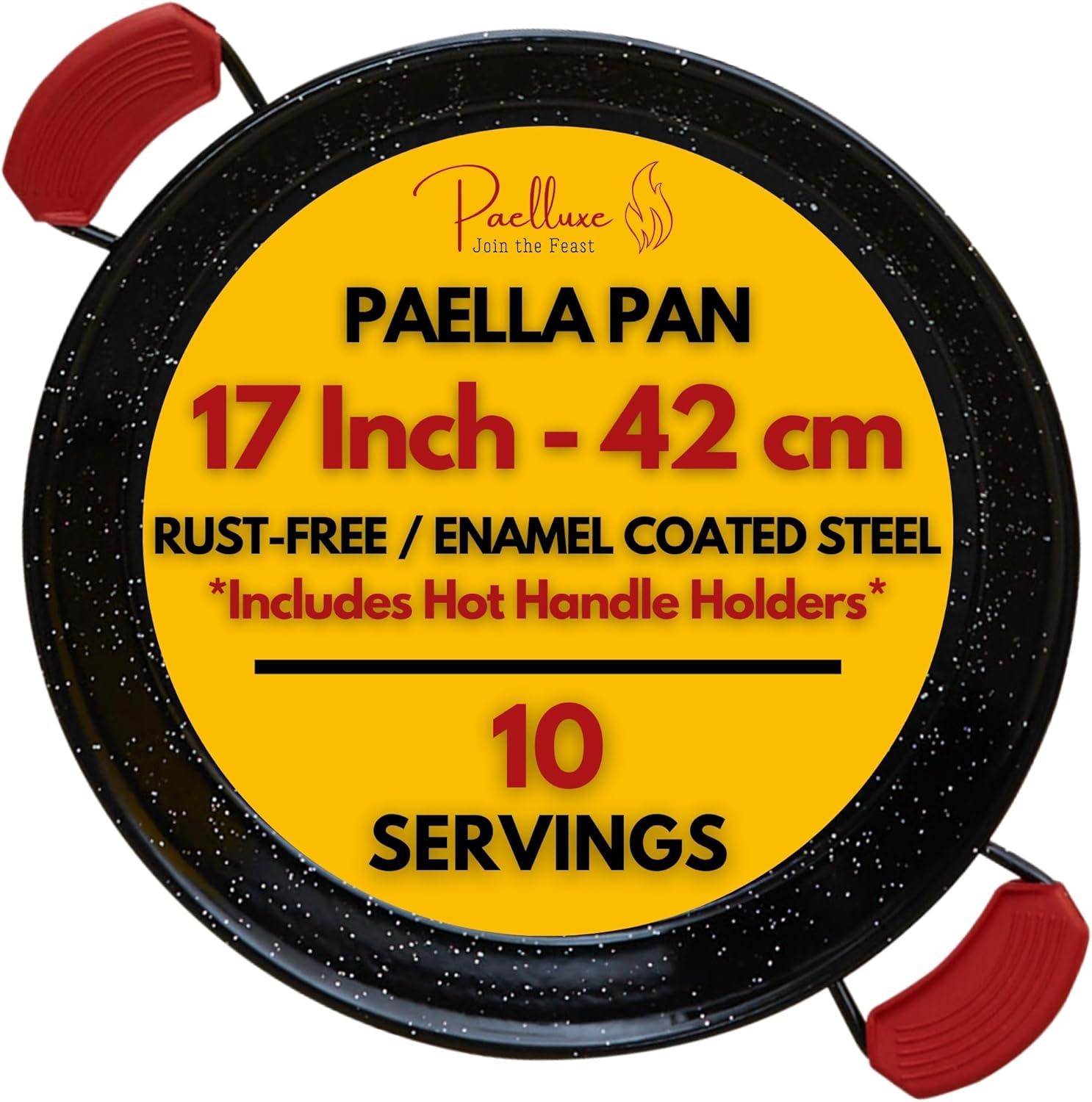
For jam making, having the right heavy-bottomed pot makes a real difference. Thin pots scorch the sugar quickly, and once that happens, the whole batch tastes bitter. A wide, heavy saucepan gives you even heat distribution and more surface area for evaporation, which speeds up the thickening process considerably.
Tools & Ingredients We Recommend

How to Know When Your Jam Is Ready
This is the part that intimidates first-time jam makers, but it is honestly very simple. Before you start cooking, place a small plate in the freezer. When your jam has been bubbling for about 25 minutes, drop a tiny spoonful onto that cold plate and wait 30 seconds. Push the jam gently with your fingertip. If the surface wrinkles and holds its shape, it is ready. If it slides around like syrup, give it another 5 minutes and test again.
A jam thermometer can also help here. You are looking for 220 degrees F (104 degrees C), which is the classic setting point for most jams.
Ready to Make a Jar?
Once you make your first batch, this becomes a seasonal ritual. It is quick enough for a weeknight but special enough to gift. Here is everything you need to get started:
Homemade Rhubarb Jam
This bright, tangy Homemade Rhubarb Jam is made with just a handful of simple ingredients and comes together in under an hour. Spread it on toast, swirl it into yogurt, or gift a jar to someone you love.
Ingredients
- 4 cups rhubarb stalks, trimmed and chopped into 0.5-inch pieces, about 6-7 medium stalks
- 2 cups granulated sugar
- 2 tbsp fresh lemon juice, from about 1 lemon
- 1 tsp lemon zest, optional but recommended
- 1/2 tsp vanilla extract, optional, adds warmth and depth
Instruction
Combine the chopped rhubarb and sugar in a large heavy-bottomed saucepan. Stir to coat, then let the mixture sit for 10 minutes so the rhubarb begins to release its juices.
Place the saucepan over medium heat and stir to combine. Bring the mixture to a gentle boil, stirring frequently to prevent scorching on the bottom.
Once boiling, reduce the heat to medium-low and stir in the lemon juice and lemon zest.
Continue cooking, stirring often, for 25 to 35 minutes until the jam thickens noticeably. To test, place a small spoonful on a chilled plate. If it wrinkles when you push it with your finger, the jam is ready.
Remove from heat and stir in the vanilla extract if using. Skim off any foam from the surface with a spoon.
Carefully ladle the hot jam into clean, sterilized jars. Seal with lids and let cool completely at room temperature before refrigerating.
Store in the refrigerator for up to 3 weeks, or process in a water bath canner for shelf-stable jars.
Equipment
- Large heavy-bottomed saucepan
- Wooden spoon or silicone spatula
- Ladle
- Sterilized glass jars with lids
- Small chilled plate (for the wrinkle test)
- Citrus zester or microplane
- Cutting board and knife
Notes
Serving and Storing Your Rhubarb Jam
The obvious move is toast with butter, but do not stop there. A spoonful stirred into plain Greek yogurt is a morning upgrade worth celebrating. It pairs beautifully with soft cheeses like brie or ricotta on a charcuterie board. Swirl it into oatmeal, layer it in a thumbprint cookie, or use it as a glaze for pork tenderloin.
For storage, refrigerate in sealed jars for up to 3 weeks. If you want to preserve larger batches, process the filled, sealed jars in a boiling water bath for 10 minutes and store them in a cool pantry for up to a year. Always check that the lid has properly sealed before storing at room temperature.